

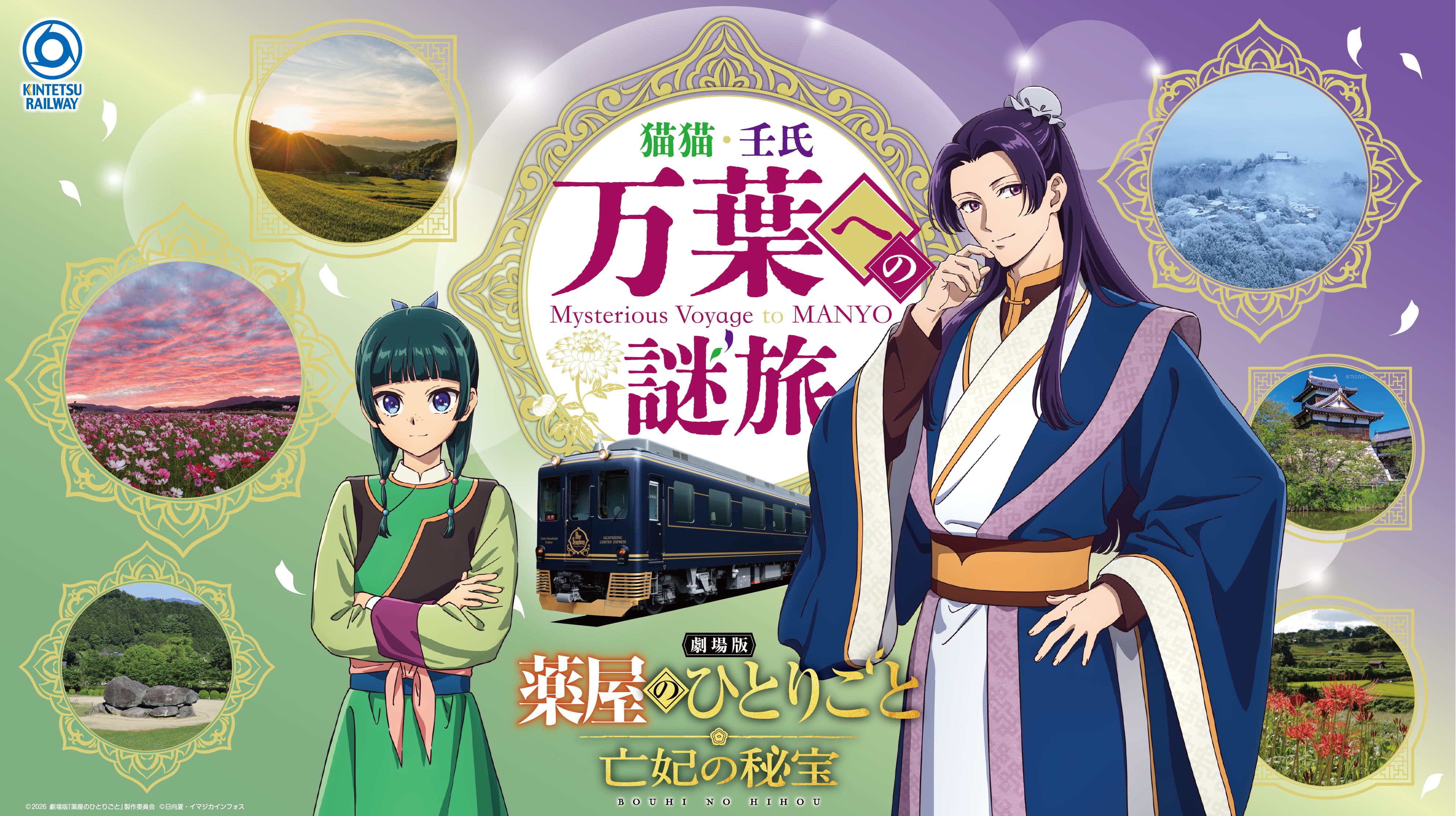
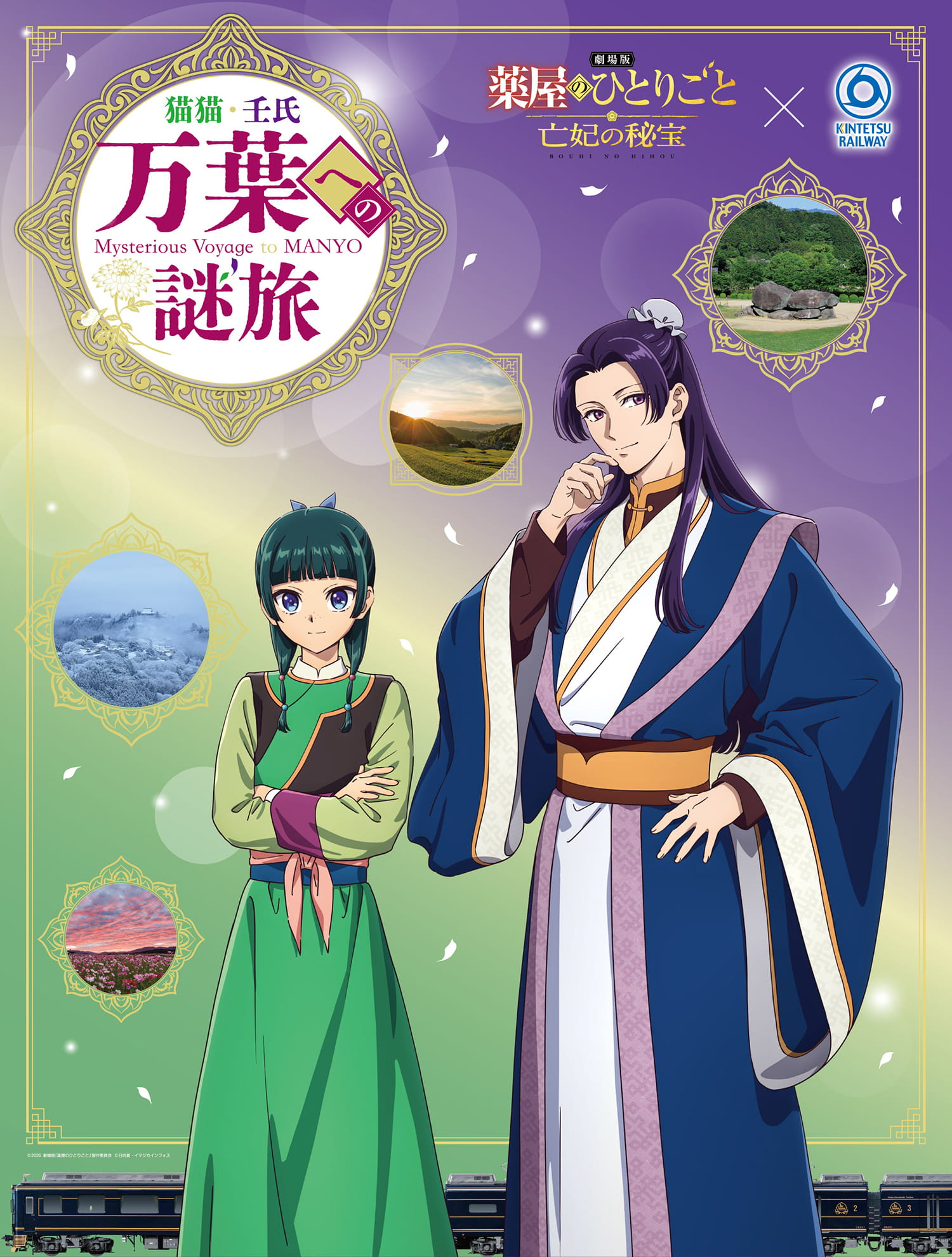


The ancient capitals of
[Asuka and Fujiwara], [Takatori], famous
as a town of medicine, and [Yoshino],
where mountain ascetics once roamed.
It is said that this [Lands of Manyo] holds
many "mysteries" connected to the land
and its medicines...
Hearing the rumors, Jinshi invites
Maomao to join him on a journey to
unravel these mysteries.
And so, the two board a Kintetsu train
and set off for the mysterious
[Lands of Manyo].
As they explore historic sites steeped in
magnificent nature and timeless history,
they encounter one
"mystery" after another hidden
throughout the land.
Will the two be able to unravel the
"mysteries" concealed within
this ancient land—?
Please read the instructions on how to play before you begin.


Major Kintetsu Stations

Osaka-Uehommachi
Osaka-Abenobashi
Kyoto
Kintetsu-Nagoya
Nara Prefecture Spots
Kashiharajingu-mae
Yakuonhachimanjinja
Koriyamajo Yanagisawabunko
Kusurishiryokan
Hasedera
Murouji
Okadera
Abemonjuin
Asukadera
Yoshimizujinja
Kinpusenji
Oomiwajinja
Kitorakofun

?????

?????
December 1, 2026 (Tue) –
January 24, 2027 (Sun)
Prize redemption available until January 31 (Sun)
When redeeming a prize, please show this screen (your Stamp Book) to a staff member at the store.
*The redemption button will be pressed by a staff member. Please do not press the button yourself.

Major Kintetsu Stations
Osaka-Uehommachi
Osaka-Abenobashi
Kyoto
Kintetsu-Nagoya
Nara Prefecture Spots
Kashiharajingu-mae
Yakuonhachimanjinja
Koriyamajo Yanagisawabunko
Kusurishiryokan
Hasedera
Murouji
Okadera
Abemonjuin
Asukadera
Yoshimizujinja
Kinpusenji
Oomiwajinja

?????
October 10 ,2026(Sat) –
November 30, 2026 (Mon)
Prize redemption available until December 6 (Sun)
When redeeming a prize, please show this screen (your Stamp Book) to a staff member at the store.
*The redemption button will be pressed by a staff member. Please do not press the button yourself.
構築参照用スタンプ有り
Major Kintetsu Stations

Osaka-Uehommachi
Osaka-Abenobashi

Kyoto

Kintetsu-Nagoya
Nara Prefecture Spots

Kashiharajingu-mae

Yakuonhachimanjinja
Koriyamajo Yanagisawabunko

Kusurishiryokan

Hasedera
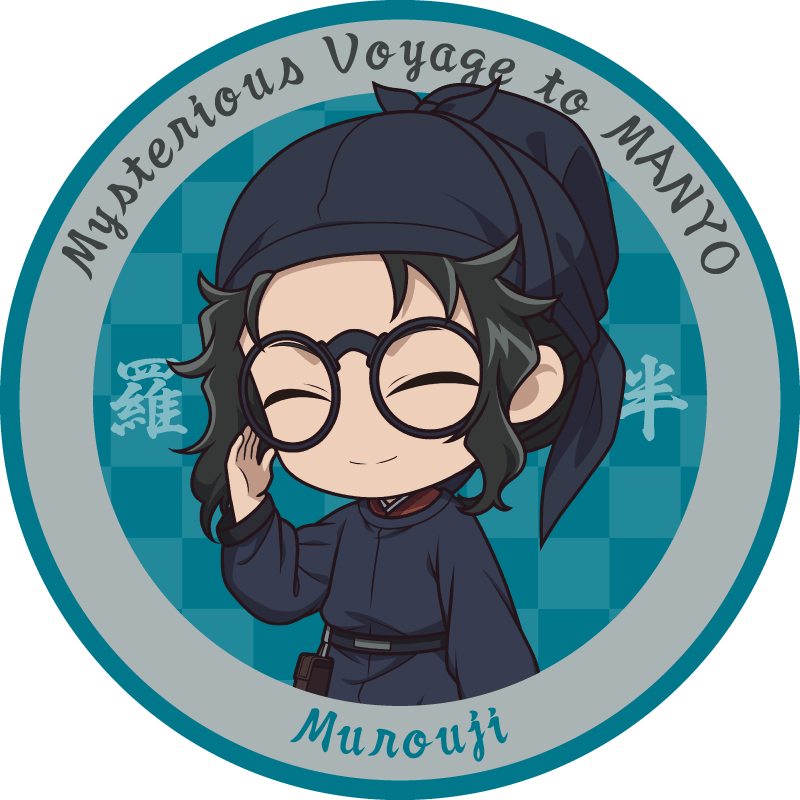
Murouji

Okadera
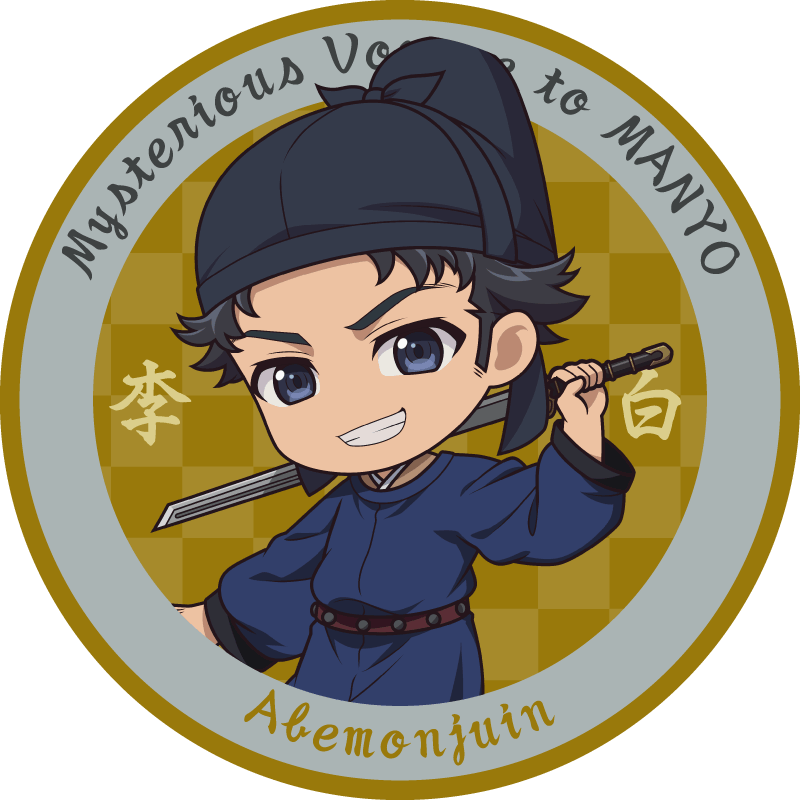
Abemonjuin

Asukadera
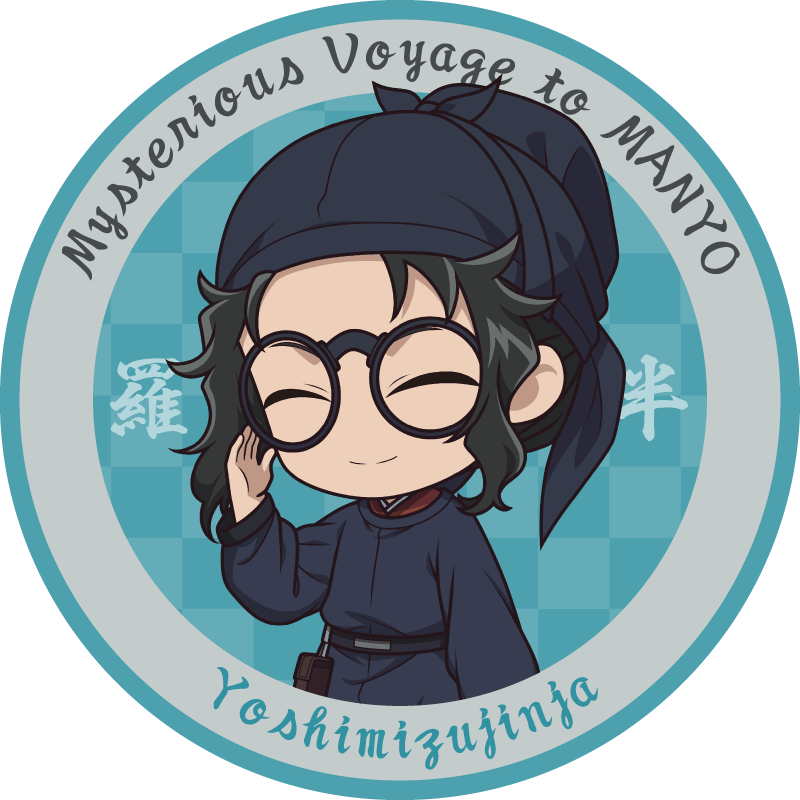
Yoshimizujinja
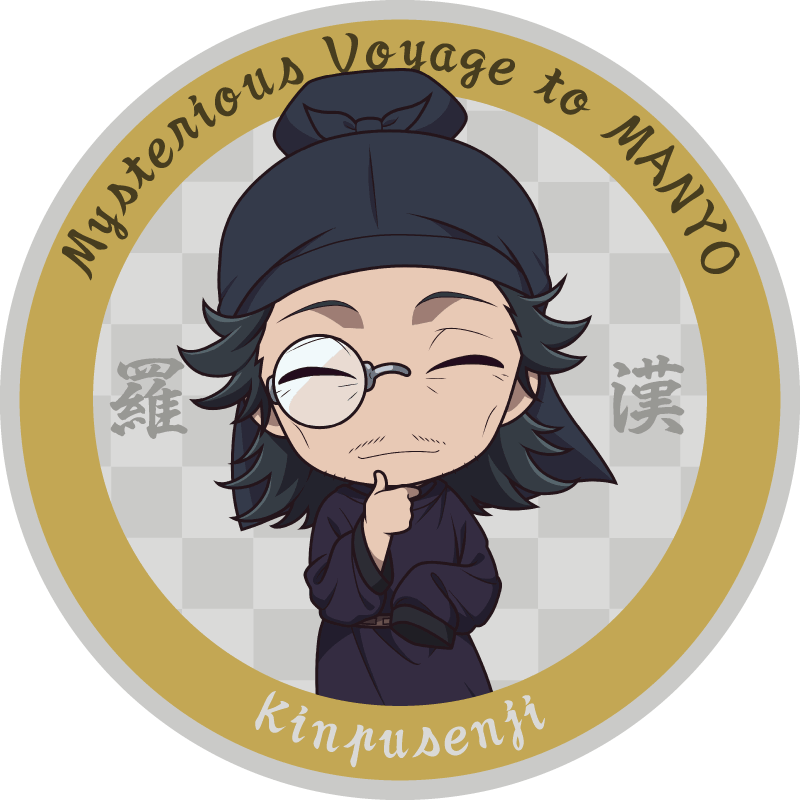
Kinpusenji

Oomiwajinja
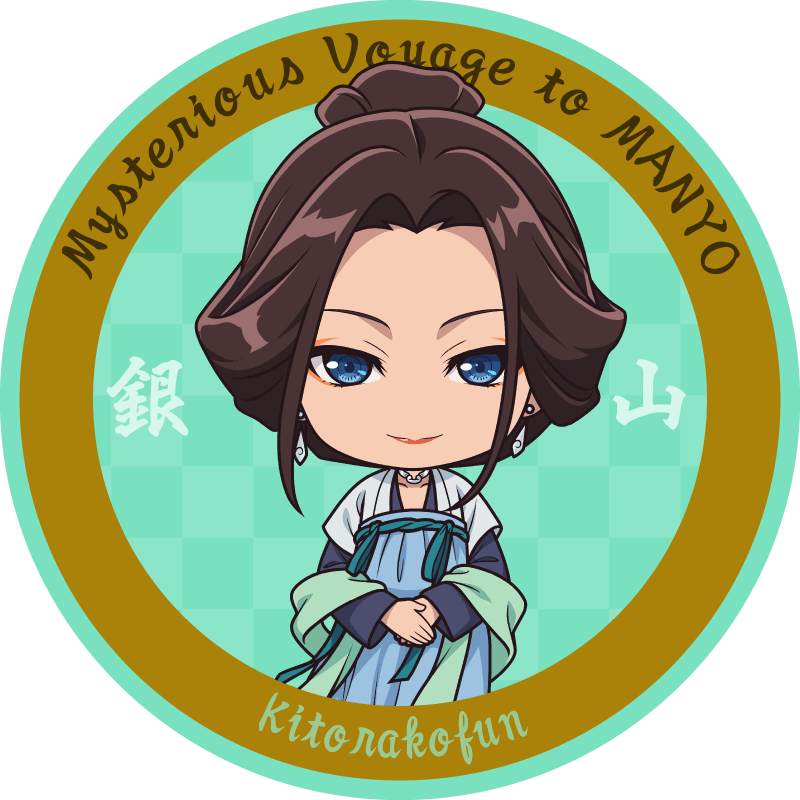
Kitorakofun

Ofusakannon

Imaimachinamikoryusenta-Hanairaka
October 10 ,2026(Sat) –
November 30, 2026 (Mon)
Prize redemption available until December 6 (Sun)
When redeeming a prize, please show this screen (your Stamp Book) to a staff member at the store.
*The redemption button will be pressed by a staff member. Please do not press the button yourself.


Scan the NFC tag or QR code on the panel at each spot location using your smartphone. (Please be sure to read the precautions regarding scanning NFC tags and QR codes.)
*QR Code is a registered trademark of DENSO WAVE INCORPORATED.


"Take the quiz, and answer correctly to earn a stamp. (You can attempt the digital quiz as many times as you like)
Depending on when you participate, stamps will be earned towards either the Autumn Journey or Winter Journey."


Once you collect a total of 3 stamps (including at least 1 Nara Prefecture spot), 5 stamps, or 10 stamps, you can redeem them for prizes at designated prize redemption spots (café and stores). (A purchase of 400 yen or more at the café or store is required)
• The Stamp Book will switch between the Autumn Journey and Winter Journey periods. Please note that stamps cannot be carried over between periods.
• Each person may participate once in the Autumn Journey and once in the Winter Journey.
• A purchase of at least 400 yen (tax included) is required when redeeming a prize.
• Multiple prizes may be redeemed at the same time. Even when redeeming multiple prizes, a purchase of at least 400 yen (tax included) is sufficient.
• Opening hours, business hours, and closing days vary by facility and store. Please check the latest information before participating.
• The original merchandise offered as prizes in this Digital Quiz Rally is not for sale. Reselling the merchandise to third parties for profit, or listing or selling it on auction websites, flea market apps, or similar platforms, is strictly prohibited.
*Prizes cannot be redeemed after the deadline. Please redeem your prizes as early as possible.
*For any other questions, please refer to the FAQ below.
If you do not follow the usage guidelines below, your stamps may be lost. In addition, depending on your smartphone settings, your stamp acquisition history may not be saved correctly. Please be sure to check the following precautions before participating in the stamp rally. Opening and operating hours vary by facility, so please check the opening/operating hours listed on the map within this site.
・ iPhone: Latest OS / Browser: Safari
・ Android: Latest OS / Browser: Chrome
Other operating systems and browsers are not supported. Please note that certain smartphone models may not allow you to participate in the stamp rally. Participation using a PC, tablet, or feature phone is not possible.
・ Walking while using a smartphone is extremely dangerous. When looking at the screen, please stop in a safe place where you will not cause an obstruction or inconvenience to others.
・ Please do not enter private property, buildings, or restricted areas without permission.
・ Even for target stamp rally spots, if entry restrictions are in place due to construction, etc., please follow the instructions on site.
Digital stamps can only be collected during each facility’s opening hours.
Please check the opening hours of each facility before you visit.
*Opening hours and operating hours at each spot may differ from usual during the New Year holiday period.
Osaka-Uehommachi
Osaka-Abenobashi
Kyoto
Kintetsu-Nagoya
Kashiharajingu-mae
Yakuonhachimanjinja
Koriyamajo Yanagisawabunko
Kusurishiryokan
Hasedera
Murouji
Okadera
Abemonjuin
Asukadera
Yoshimizujinja
Kinpusenji
Oomiwajinja

October 10 , 2026(Sat) – November 30, 2026 (Mon)
Prize redemption available until December 6 (Sun)
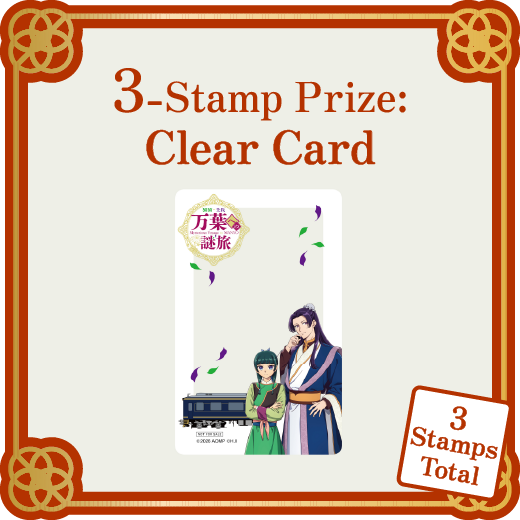
(Collect a total of 3 stamps, including at least 1 from a spot in Nara Prefecture)
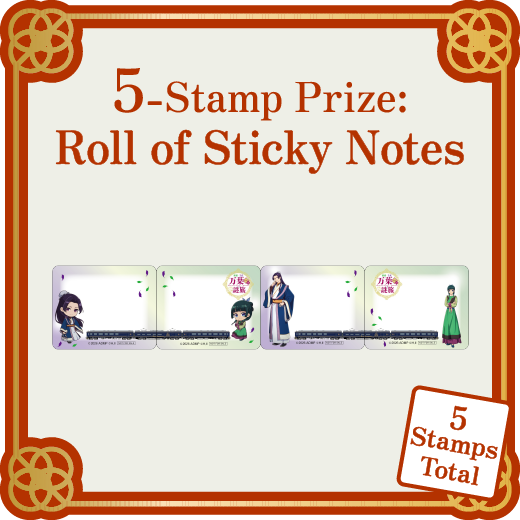
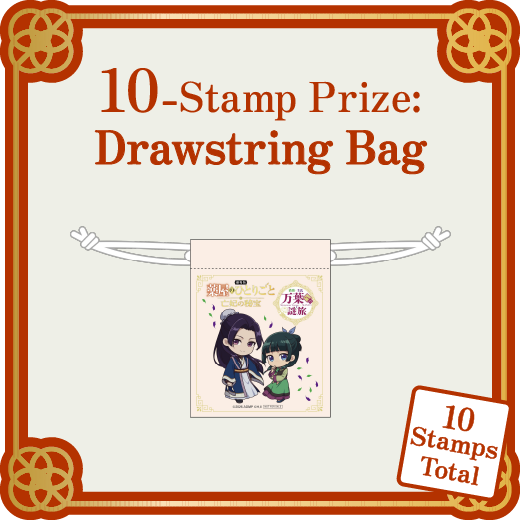

December 1, 2026 (Tue) – January 24, 2027 (Sun)
Prize redemption available until January 31 (Sun)
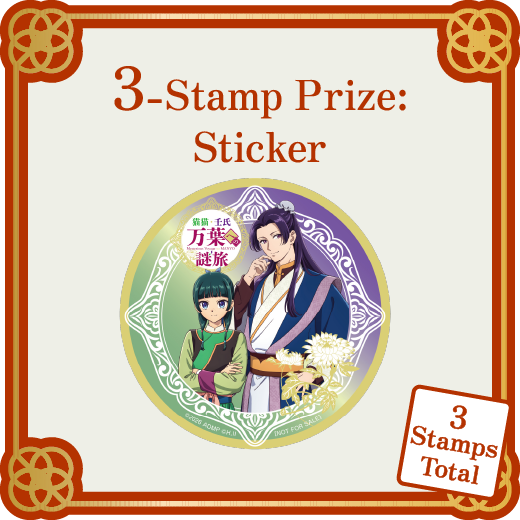
(Collect a total of 3 stamps, including at least 1 from a spot in Nara Prefecture)
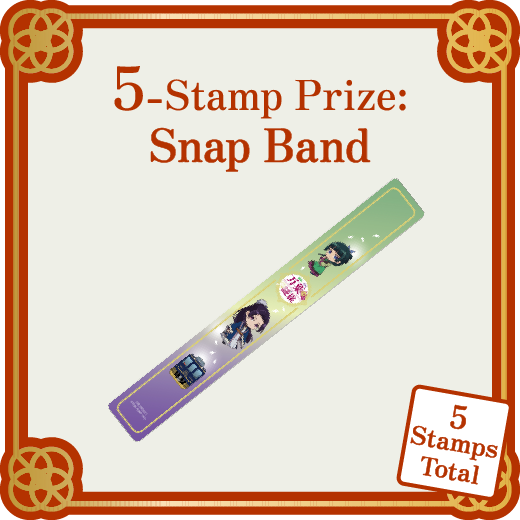
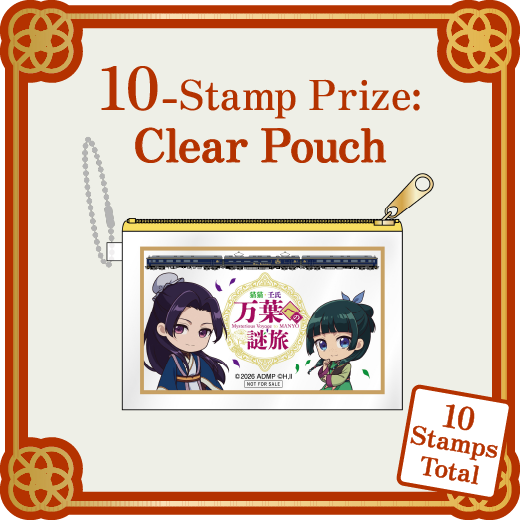
*Prizes are available while supplies last.
When redeeming a prize, please show this screen (your Stamp Book) to a staff member at the store.
(*The redemption button will be pressed by a staff member. Please do not press the button yourself.)
October 10 , 2026(Sat) – November 30, 2026 (Mon)
Prize redemption available until
December 6 (Sun)
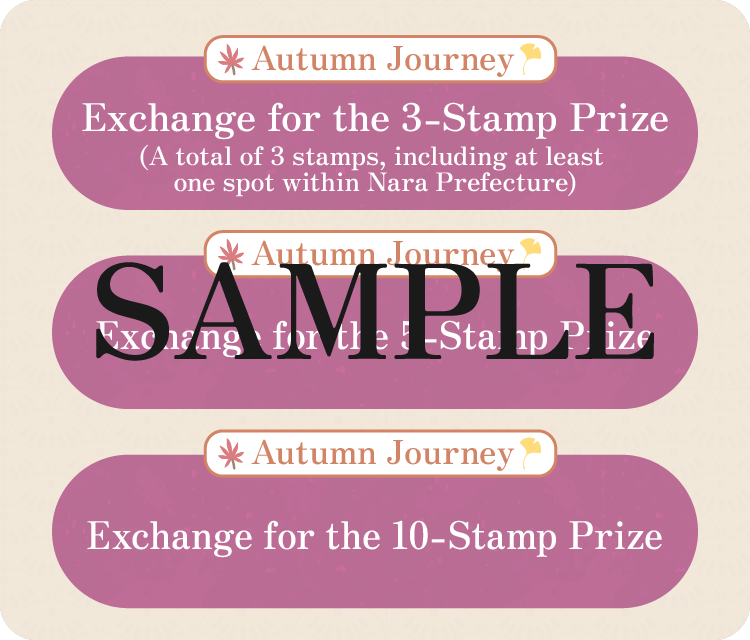
December 1, 2026 (Tue) – January 24, 2027 (Sun)
Prize redemption available until
January 31 (Sun)
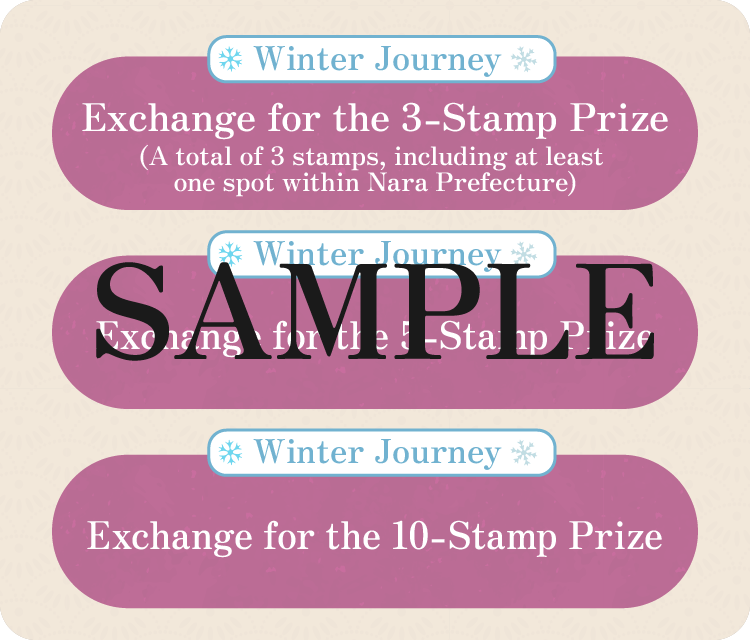
Prizes are redeemed using the button shown above in the Stamp Book section.
The prize redemption button will be clicked by staff at the prize redemption location.
Prize redemption is limited to the operating
hours of each café or store
• Make sure GPS (Location Services) is turned on.
• Move to an area where GPS reception is better.
• Move around the area near the spot and try again.
• Reload your browser.
• Restart your smartphone.
If you are still unable to collect the stamp, please contact us.
Osaka-Uehommachi
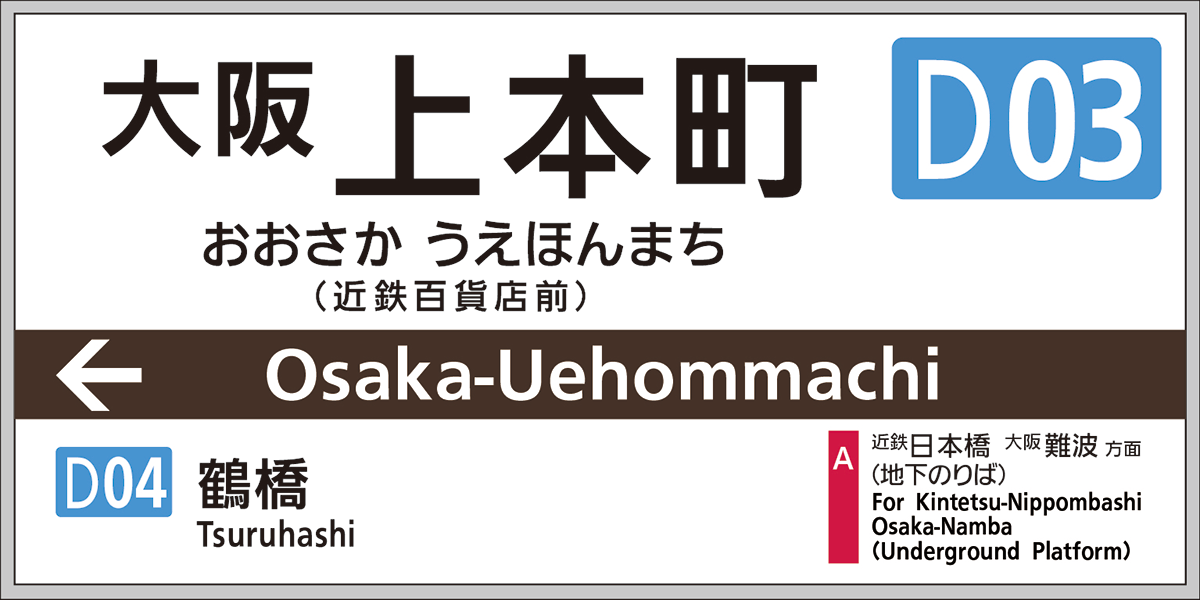
Question: Osaka-Uehommachi Station was the departure station when the Kintetsu Nara Line—the origin of today’s Kintetsu Railway—first opened. When the line opened in 1914, which of the following was built to reach Nara and was the “longest/highest in Japan” at the time?
A: The longest tunnel in Japan
B: The highest railway bridge in Japan
Correct Answer: A: The longest tunnel in Japan
Explanation: The biggest attraction at the time was the Ikoma Tunnel, which was the longest double-track tunnel in Japan. With the opening of this tunnel, Uehommachi and Nara were connected in about 55 minutes, and trains passing through the “longest tunnel in Japan” became so popular that they were packed with passengers every day.

Osaka-Abenobashi
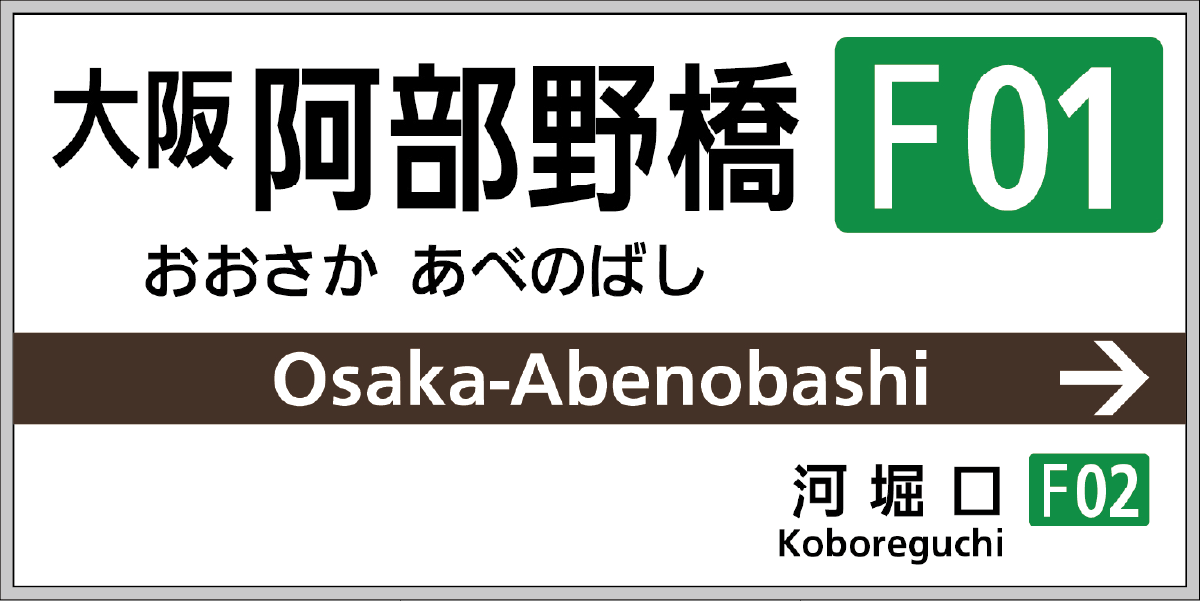
Question: Osaka-Abenobashi Station is located in Abeno Ward, Osaka City, but if you look closely at the Japanese characters, the station name uses a different character for “be.” Why is “Abeno” written differently in the station name?
A: Because it matched the name of the village at the time the station was built
B: Because the character used in the ward name was difficult to print clearly on old ticket-printing machines
Correct Answer: A: Because it matched the name of the village (aza) at the time the station was built
Explanation: The place name “Abeno” has existed for a long time and has historically been written using several different combinations of kanji, all pronounced “Abeno.” When the station opened, it was located in an area of Tennoji Village called Abeno, and it is said that the station name adopted the same kanji spelling used for that local area (*there are various theories).

Kyoto
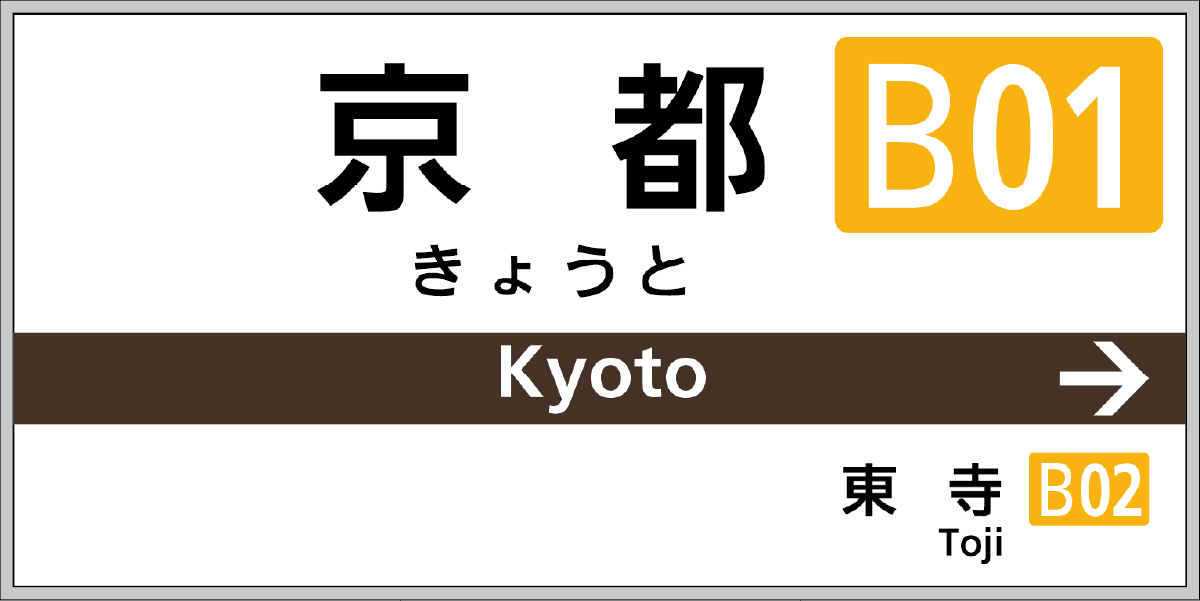
Question: The sightseeing limited express Aoniyoshi, which travels to Nara, departs from and arrives at Kintetsu Kyoto Station. The train’s exterior is painted in a color traditionally associated with nobility. In the Twelve Level Cap and Rank System established by Prince Shotoku, this color represented the highest rank. What color is it?
A: Purple
B: Gold
Correct Answer: A: Purple
Explanation: The exterior of Aoniyoshi is painted in a deep purple, a color regarded as noble during the Tempyo period. The interior is also decorated with patterns inspired by treasures from the Shosoin Repository, allowing passengers to enjoy an elegant journey through history from the moment they step aboard.

Kintetsu-Nagoya
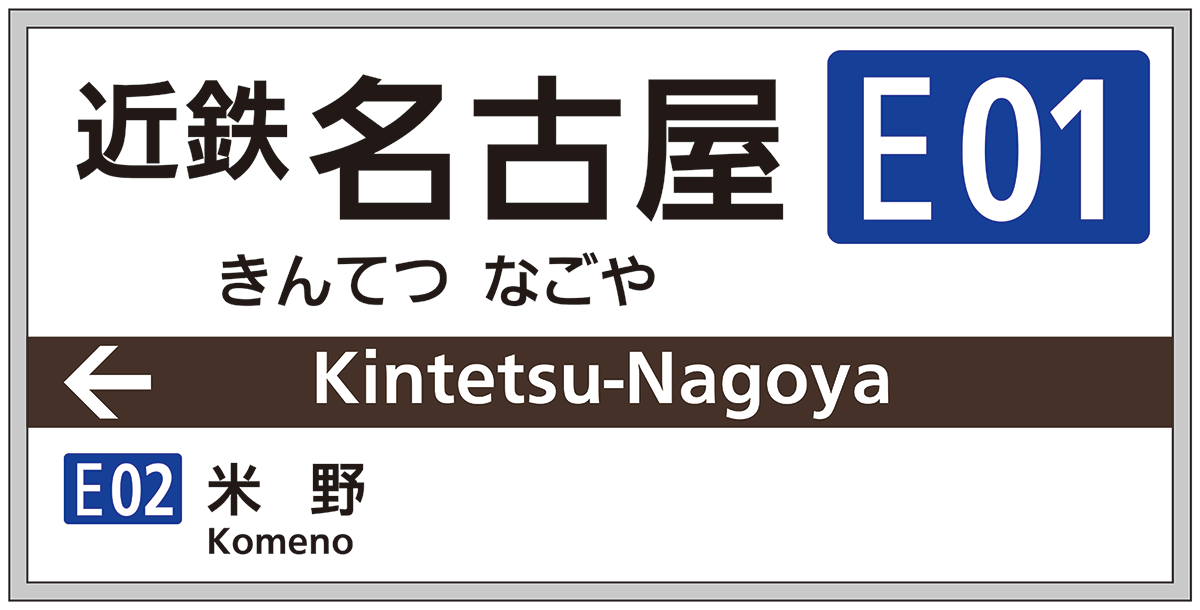
Question: Uiro, a traditional Japanese sweet known as a Nagoya specialty, is also a classic souvenir from Kintetsu Nagoya Station. In fact, this sweet is said to have originally been created as a palate cleanser when a certain type of medicine was prescribed. What kind of medicine was it?
A: A restorative medicine used to freshen the breath and help you feel refreshed
B: A stomach medicine used to aid digestion
Correct Answer: A: A restorative medicine used to freshen the breath and help you feel refreshed
Explanation: Uiro is said to trace its roots to a family called Uiro, who came to Japan from Ming China during the Muromachi period and made an all-purpose medicine called Tochinko, which was used as a breath freshener and restorative. When this medicine was presented to the Imperial Court and honored guests, a sweet served alongside it as a palate cleanser became popular and eventually developed into the Japanese confection known today as uiro.

Kashiharajingu-mae
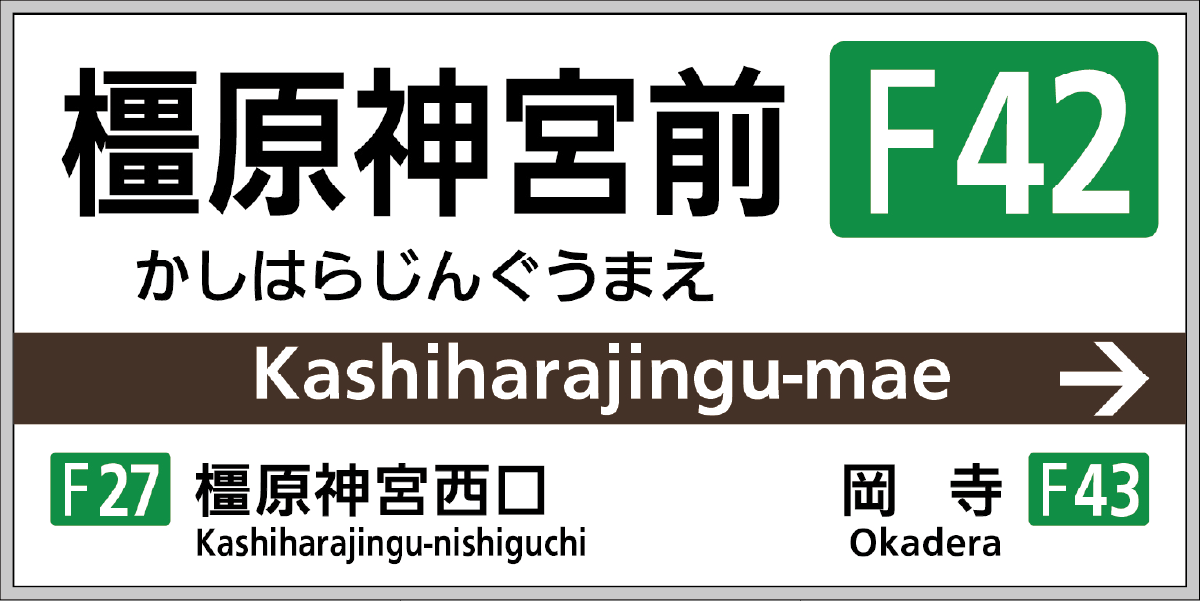
Question: Within the grounds of Kashihara Jingu, there is a huge display—one of the largest of its kind in Japan—measuring about the size of 14 tatami mats (4.5 m high × 5.4 m wide) that is replaced every New Year. What is it?
A: A giant ema votive plaque
B: A giant omikuji fortune slip
Correct Answer: A: A giant ema votive plaque
Explanation: A giant ema featuring the zodiac animal of the year is displayed at the Outer Worship Hall and has become a very popular photo spot for visitors.

Yakuonhachimanjinja
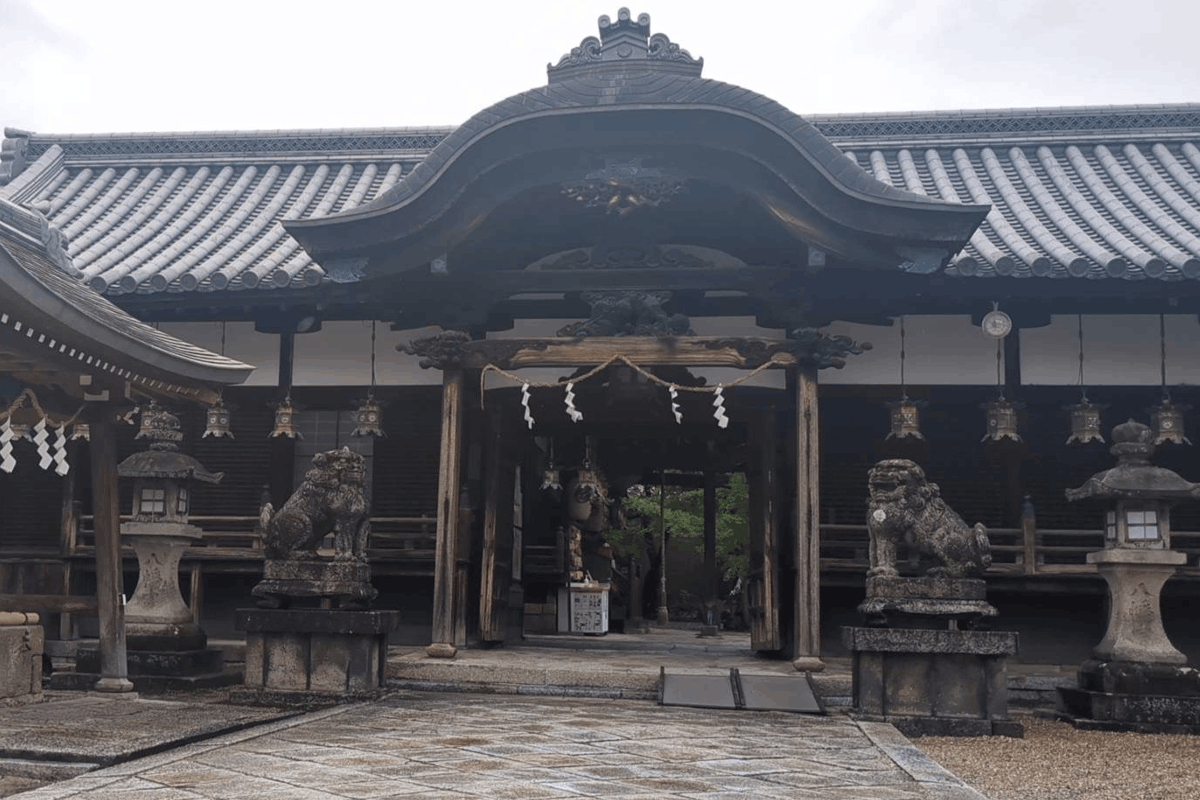
Question: Yakuon Hachiman-jinja Shrine, which is within walking distance of Kintetsu-Koriyama Station, is affectionately known by a certain nickname among local residents. Which of the following is it?
A: Okusuri-san
B: Yako-san
Correct Answer: B: Yako-san
Explanation: Locally, the shrine is affectionately known as “Yako-san,” a name derived in part from an alternative reading of “Yakuon.” The shrine has the refreshing atmosphere of a historic shrine in an old castle town, and it also offers unusual items such as medicinal herb bookmarks and Yakuon dokudami tea.
Introduction: This historic shrine is said to have been built on the site of a medicinal herb garden that served court nobles south of Heijo-kyo during the Nara period.The shrine grounds are home to a medicinal herb garden featuring more than 50 varieties of plants.

Koriyamajo Yanagisawabunko
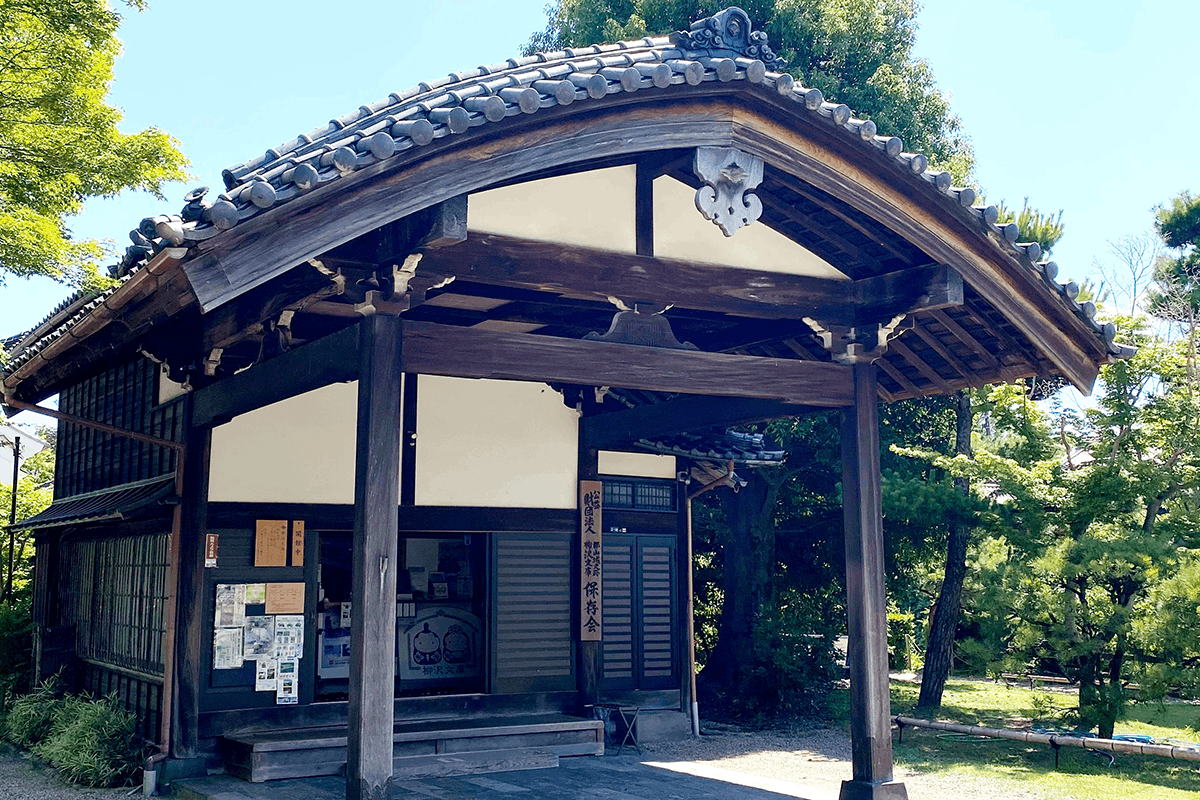
Question: The stone walls of Koriyama Castle, which became the residence of Toyotomi Hidenaga, were built using a variety of materials because the castle had to be constructed in a hurry. Which of the following was actually used in the stone walls of Koriyama Castle?
A: A Jizo statue
B: Stones from an ancient burial mound’s stone chamber
Correct Answer: A: A Jizo statue
Explanation: Toyotomi Hidenaga carried out major renovations to Koriyama Castle, but because suitable stone was scarce in the surrounding area and construction had to be completed quickly, stone Buddhist statues, stone pagodas, and other stone objects from nearby temples and shrines were gathered and used to build the castle walls.One of the most famous examples is the “Upside-Down Jizo” found in the stone wall on the north side of the castle keep foundation. The Jizo statue was built directly into the wall upside down, with its head facing downward, and can still be seen through a gap in the stones today.
Introduction: The Local History and Regional Publications Library is located within the grounds of the Koriyama Castle Ruins. Its collection includes tens of thousands of historical documents and classical books, including calligraphy and paintings by successive lords of the Koriyama Domain and materials related to the domain donated by the Yanagisawa family, its former ruling family, as well as many books related to the local area.

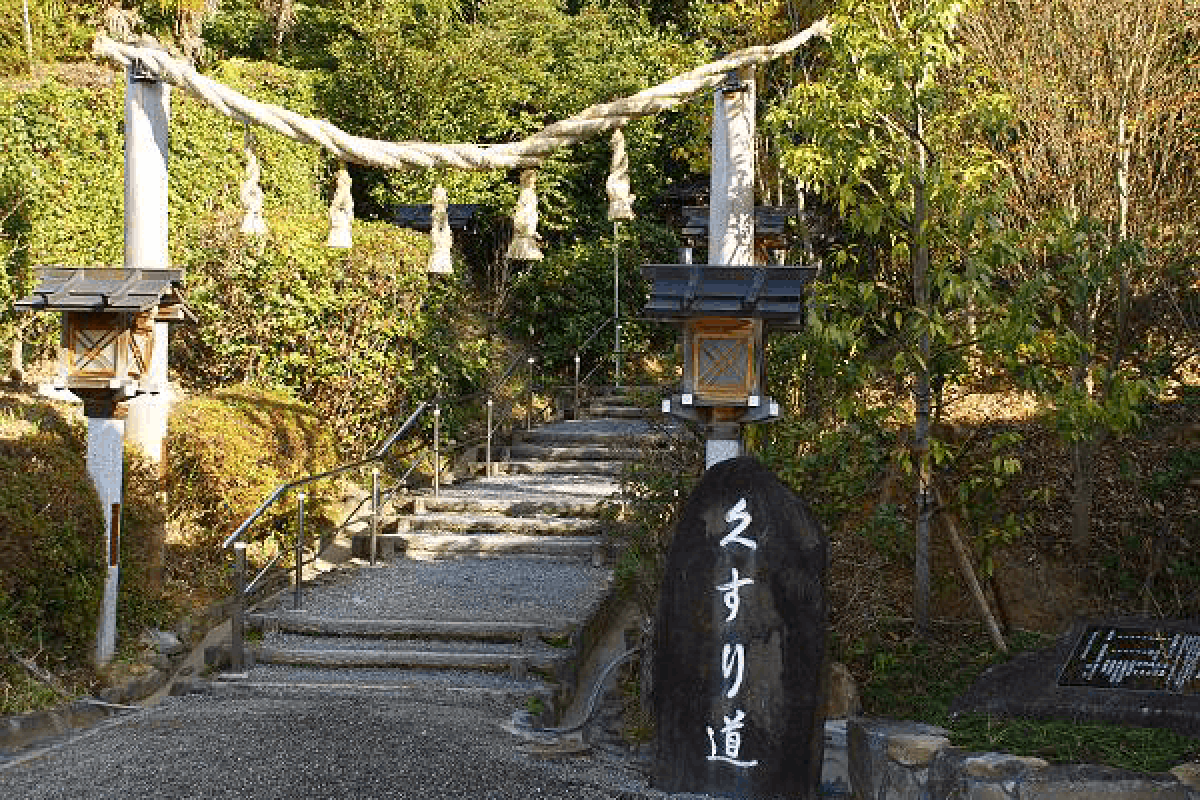
Kusurishiryokan
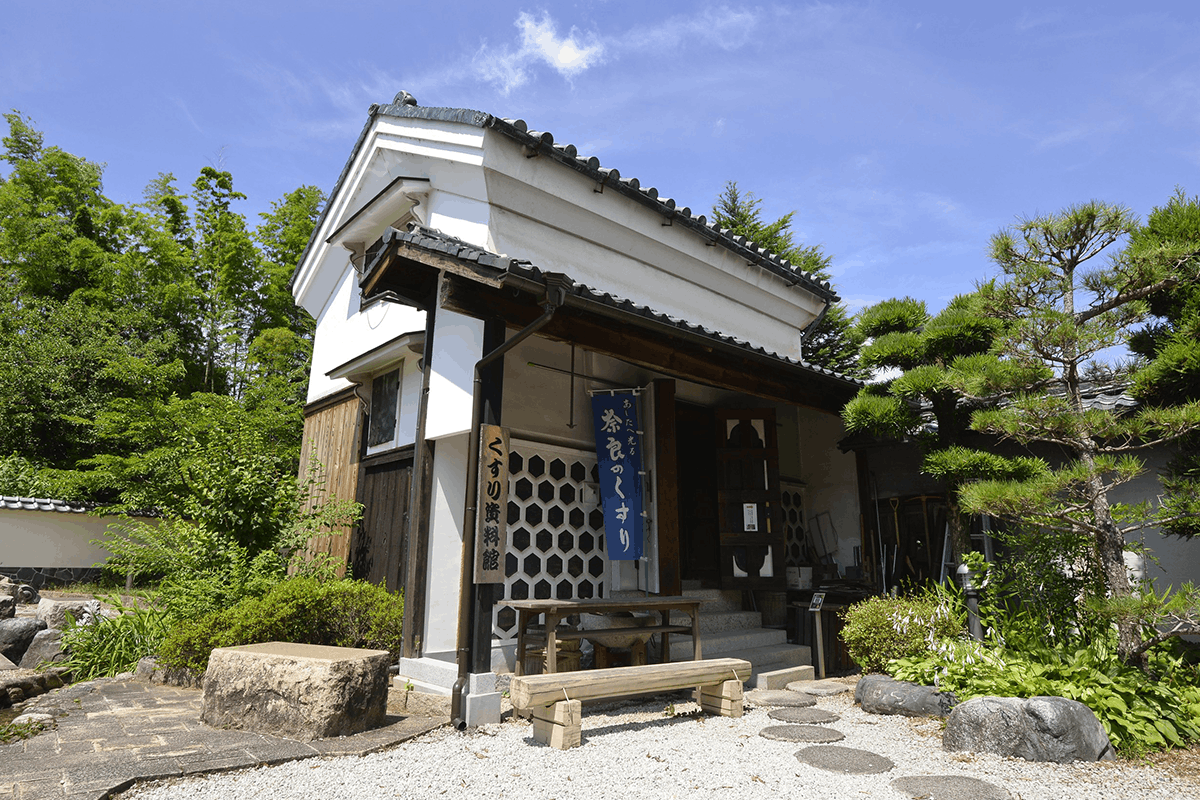
Question: Takatori Town in Nara Prefecture, home to the Medicine Museum, is known as one of Japan’s leading “towns of medicine.” In the past, when medicine sellers delivering household medicines visited homes in Takatori, which of the following popular toys did they give to children to make them happy?
A: Ramune candy
B: Paper balloons
Correct Answer: B: Paper balloons
Explanation: In the past, medicine sellers were very good at getting along with children so that families would agree to keep their medicines at home. They handed out paper balloons as souvenirs because they were light, easy to carry, and fun to inflate, much to the delight of the children. It is said that many children eagerly looked forward to the medicine seller’s visits just to receive one.
Introduction: This museum was created by renovating a storehouse at the Musokan Tourist Information Center, and features exhibits on the history of medicine and traditional pharmaceutical tools.It displays tools and equipment once used to make medicines by hand, as well as signs, scales, and other materials related to the pharmaceutical trade.

Hasedera
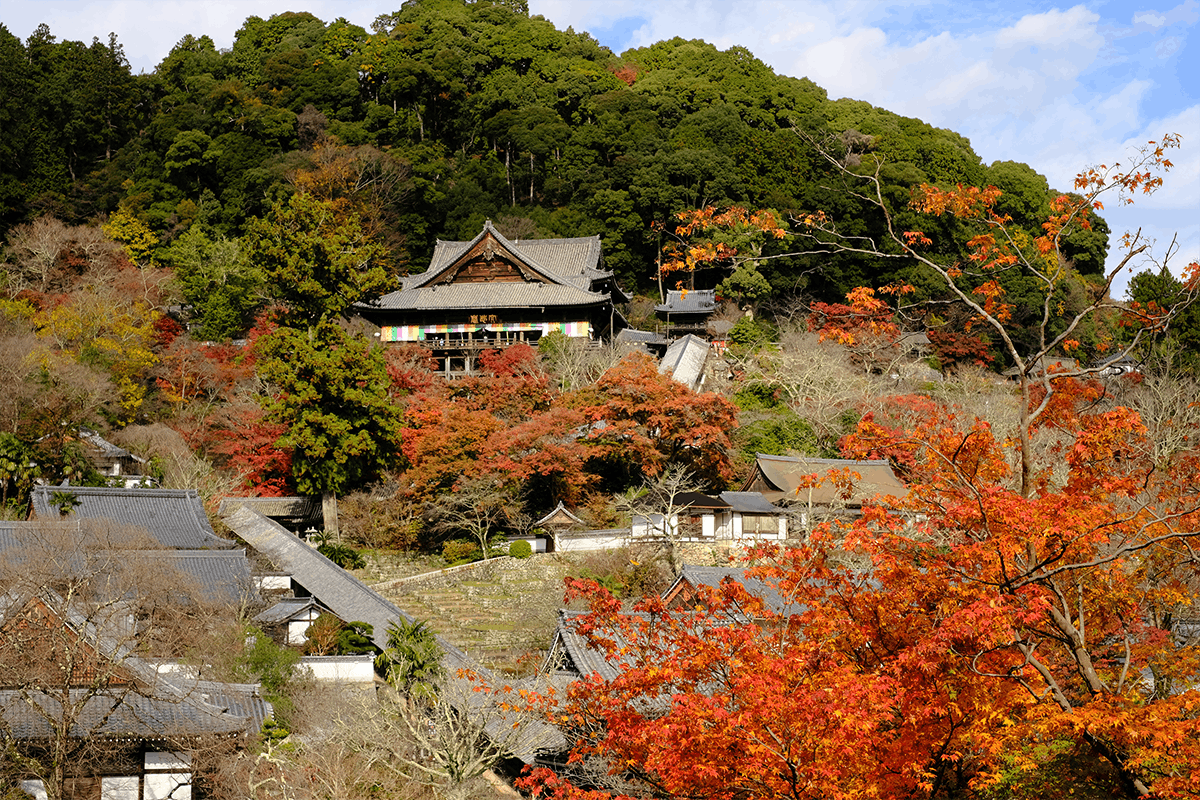
Question: The Noboriro is an elegant covered staircase that leads from the entrance of Hasedera Temple (Niomon Gate) to the Main Hall. How many stone steps are there in total?
A: 108 steps
B: 399 steps
Correct Answer: B: 399 steps
Explanation: The Noboriro is divided into three sections—upper, middle, and lower—and has a total of 399 gently sloping stone steps.Slowly climbing the steps while taking in the scenery and seasonal flowers, all while enjoying the atmosphere of the Heian period, is a unique part of the Hasedera Temple experience.
Introduction: Nestled in the quiet mountains of Sakurai, Nara, the temple is also known as the “Temple of Flowers” for the seasonal blossoms that color its grounds throughout the year, and has long been cherished as a place of prayer and healing. Its principal image, the Eleven-Headed Kannon statue, is known as one of the largest wooden Kannon statues in Japan.

Murouji
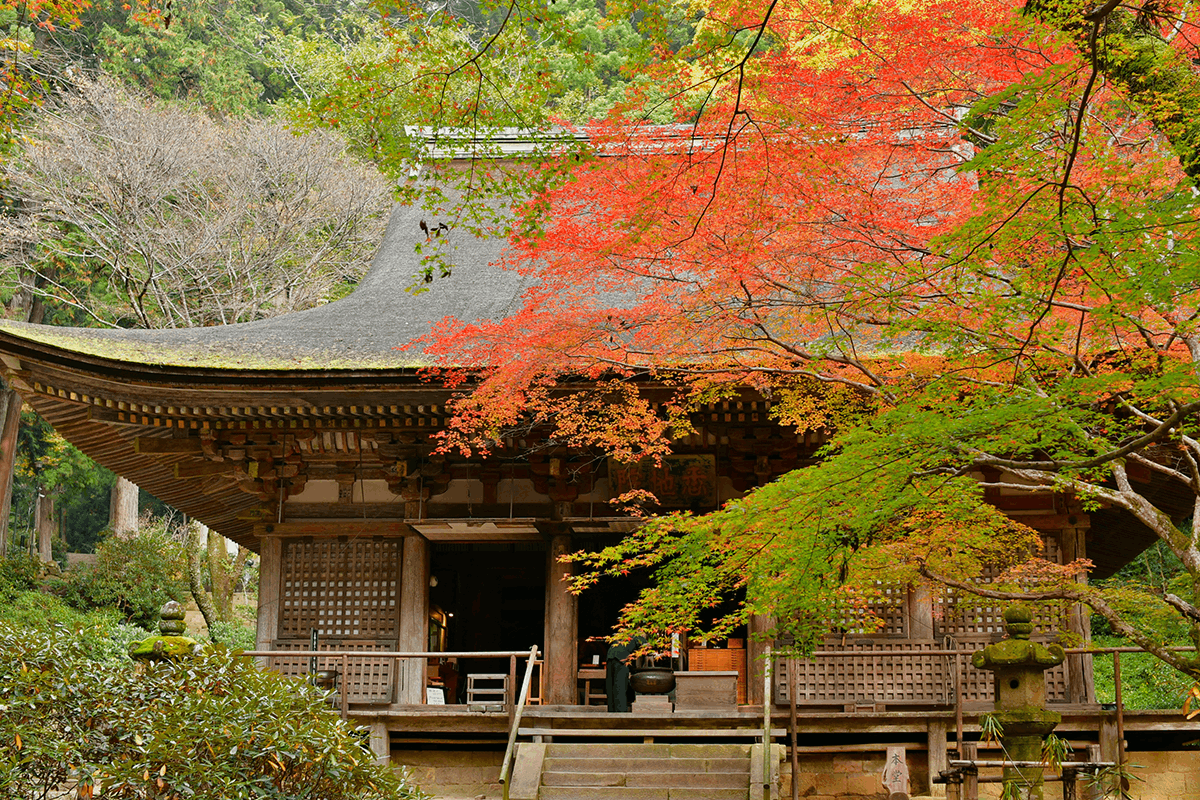
Question: On the grounds of Murouji Temple stands a National Treasure five-story pagoda built in the early Heian period. In fact, this pagoda is said to be Japan’s “most ___” among wooden five-story pagodas built outdoors. What is it the most of?
A: The thickest in Japan
B: The smallest in Japan
Correct Answer: B: The smallest in Japan
Explanation: Murouji Temple’s five-story pagoda is only 16.1 meters tall. This makes it the smallest outdoor five-story pagoda in Japan. Though small, its beautifully balanced form blends into the surrounding grove of tall cedar trees, and its delicate beauty has been praised as being “like a flower blooming among the trees.”
Introduction: Founded in the late Nara period, Murouji Temple welcomed women even at a time when many temples prohibited them from entering, and became widely known as “Nyonin Koya,” an open place of Buddhist practice for women. The temple is also famous for the beautiful rhododendrons and autumn leaves that color its grounds.

Okadera
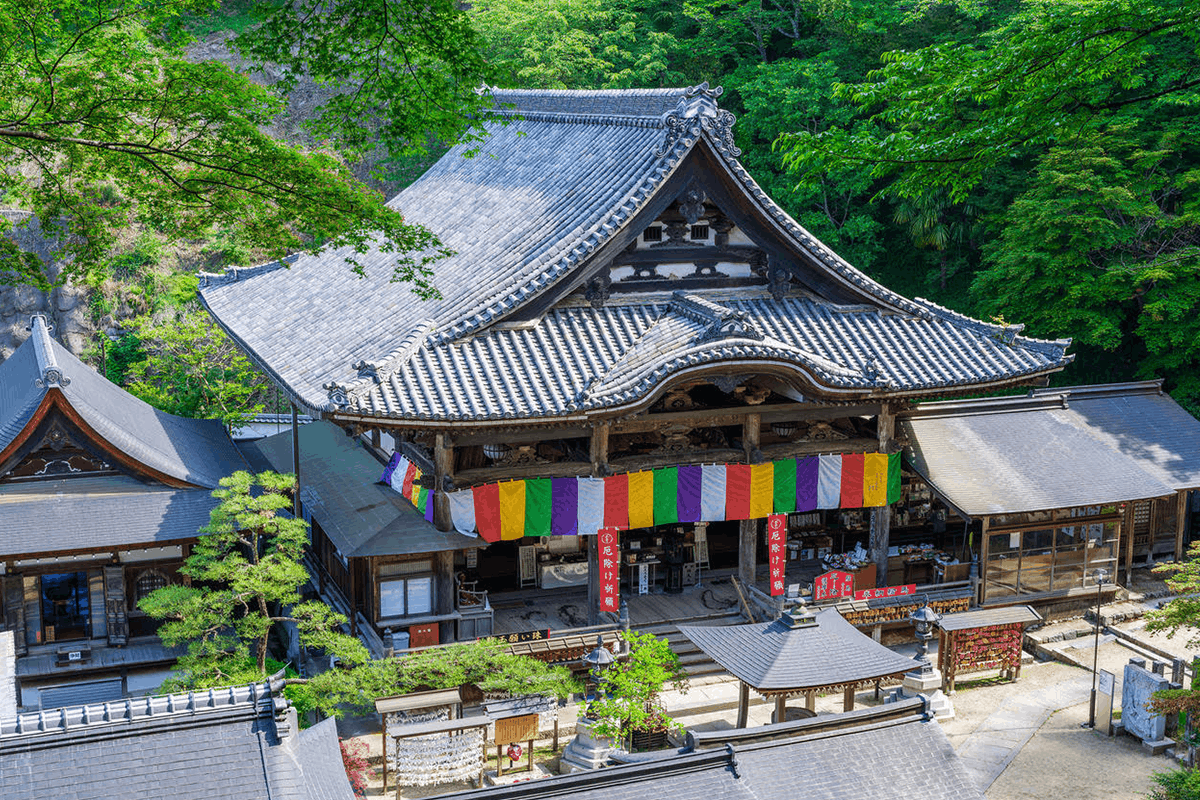
Question: The principal image of Okadera Temple, the Seated Nyoirin Kannon, stands about 4.9 meters tall and is Japan’s largest clay Buddhist statue.It is said that when the statue was created, soil gathered from three countries symbolizing the route by which Buddhism reached Japan was mixed together.Those three countries were Japan, Tang (China), and which other country?
A: Baekje (Korea)
B: Tenjiku (India)
Correct Answer: B: Tenjiku (India)
Explanation: This legend is known as the “soil from three countries.” It was believed that combining soil from sacred lands along the route from the birthplace of Buddhism to Japan would imbue the statue with even greater spiritual merit.Japan, Tang (China), and Tenjiku (India) together symbolized the “entire world” in the worldview of the time.
Introduction: The temple’s official name is Ryugaiji Temple.Since ancient times, it has been widely known as Okadera because it is located in the Oka area. Founded about 1,300 years ago, it is also famous as Japan’s first sacred site for warding off misfortune. Visitors can also enjoy seasonal plants such as hydrangeas and autumn leaves.

Abemonjuin
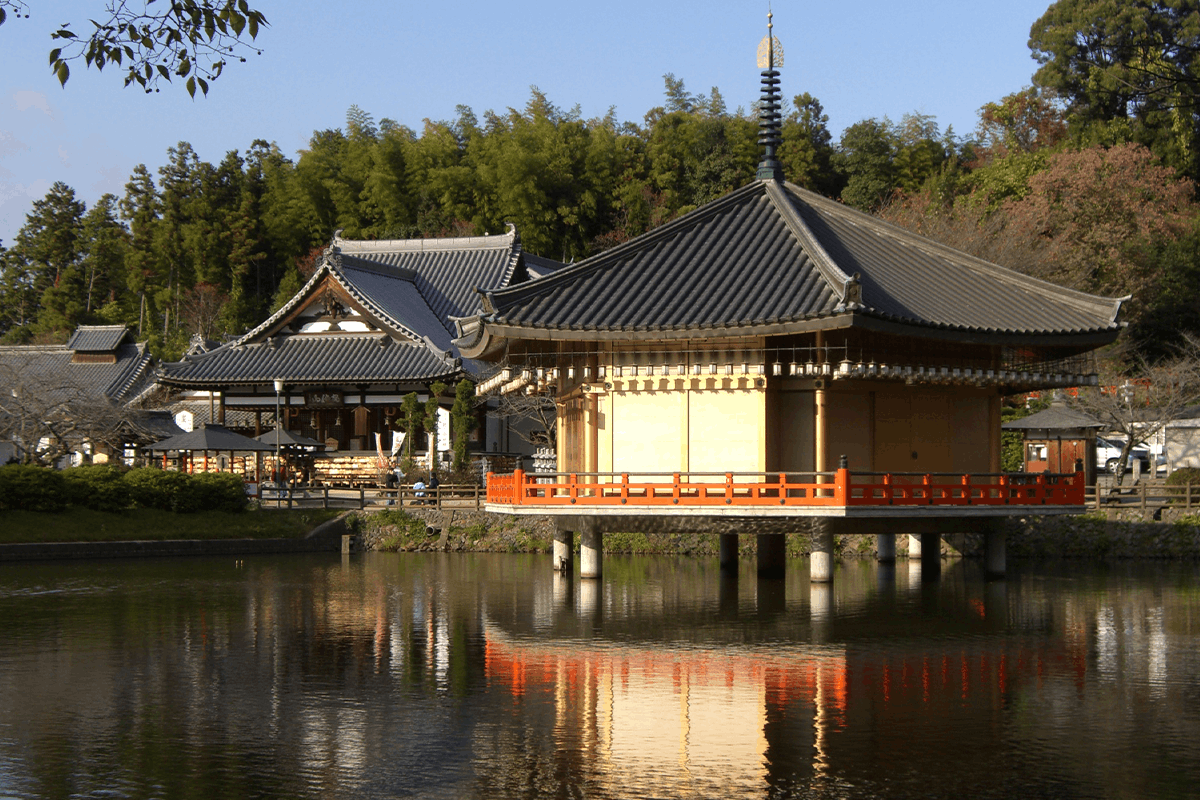
Question: Abe Monjuin Temple is a historic temple counted as one of Japan’s Three Great Monju Temples.There is a famous proverb about wisdom that almost everyone in Japan has heard at least once: “Three people together have the wisdom of ___.”Whose name, also found in the name of this temple, goes in the blank?
A: Monju
B: Onmyo
Correct Answer: A: Monju
Explanation: This temple is associated with the origin of the saying, “Three people together have the wisdom of Monju.”Monju Bosatsu is the “Bodhisattva of Wisdom,” and the proverb means that even ordinary people can come up with wisdom as great as Monju’s if three of them gather and discuss a problem together.
Introduction: Founded in 645, this is one of the oldest temples in Japan. As a distinguished branch head temple of Todaiji Temple’s Kegon school, it holds a prestigious status. Its principal image is Monju Bosatsu, famous from the proverb “Three people together have the wisdom of Monju.” Standing about 7 meters tall, it is the largest statue of Monju Bosatsu in Japan, a National Treasure created by Kaikei.

Asukadera
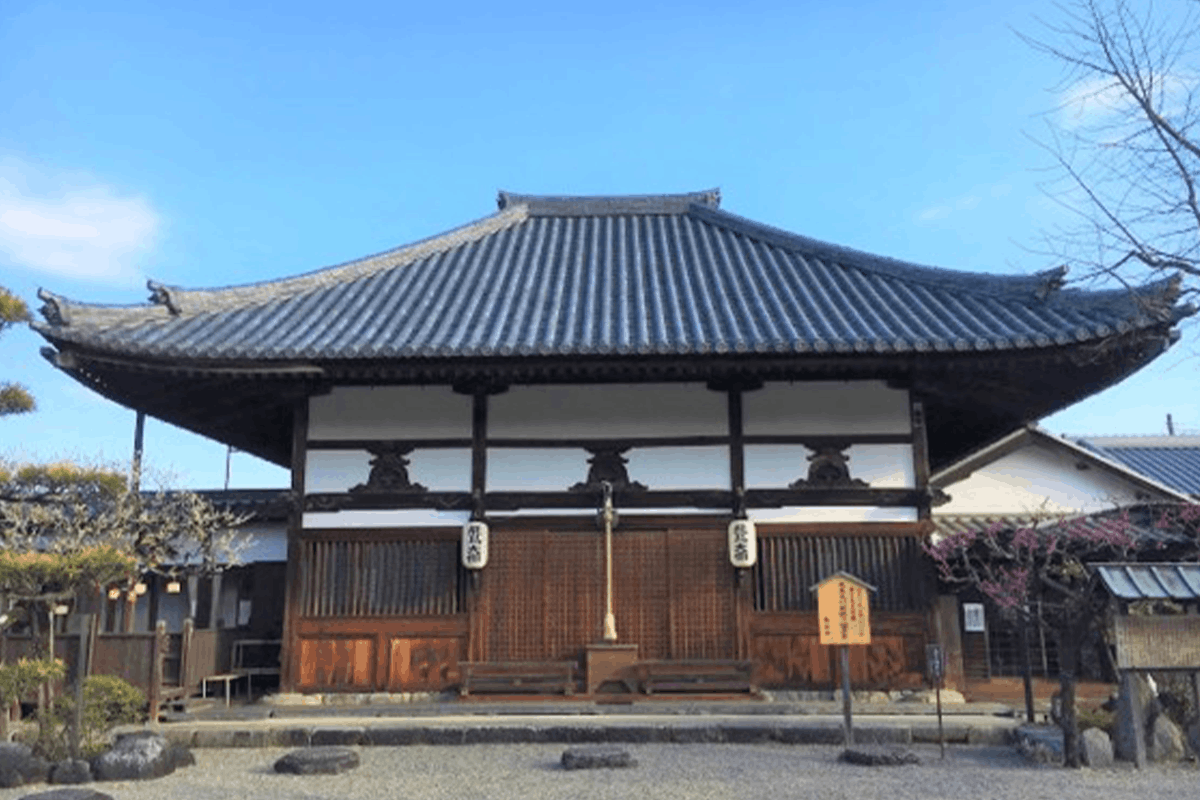
Question: The “Asuka Daibutsu” at Asuka-dera Temple is the oldest Buddhist statue in Japan. Over the centuries, the temple has suffered several major fires, and at times all of its buildings were completely destroyed.However, one miraculous fact about the Great Buddha has continued to the present day. Which of the following is it?
A: It has never been moved and has remained seated in the same spot
B: Part of its body melted from the heat of a fire but later naturally returned to its original form
Correct Answer: A: It has never been moved and has remained seated in the same spot
Explanation: The Asuka Daibutsu has a history of surviving a major fire during the Kamakura period that destroyed its hall. For a time, it sat alone in a simple structure consisting only of pillars and a thatched roof.Even so, it is said to have remained in exactly the same spot where it was originally placed, never moving for more than 1,400 years, and continues to watch over us today.It is a remarkably mysterious story that has been passed down through the centuries.
Introduction: This temple was completed in 596 as Japan’s first full-scale Buddhist temple. Its principal image, a seated bronze statue of Shaka Nyorai and an Important Cultural Property, dates from the temple’s founding in the Asuka period and is known as the oldest Buddhist statue in Japan.

Yoshimizujinja
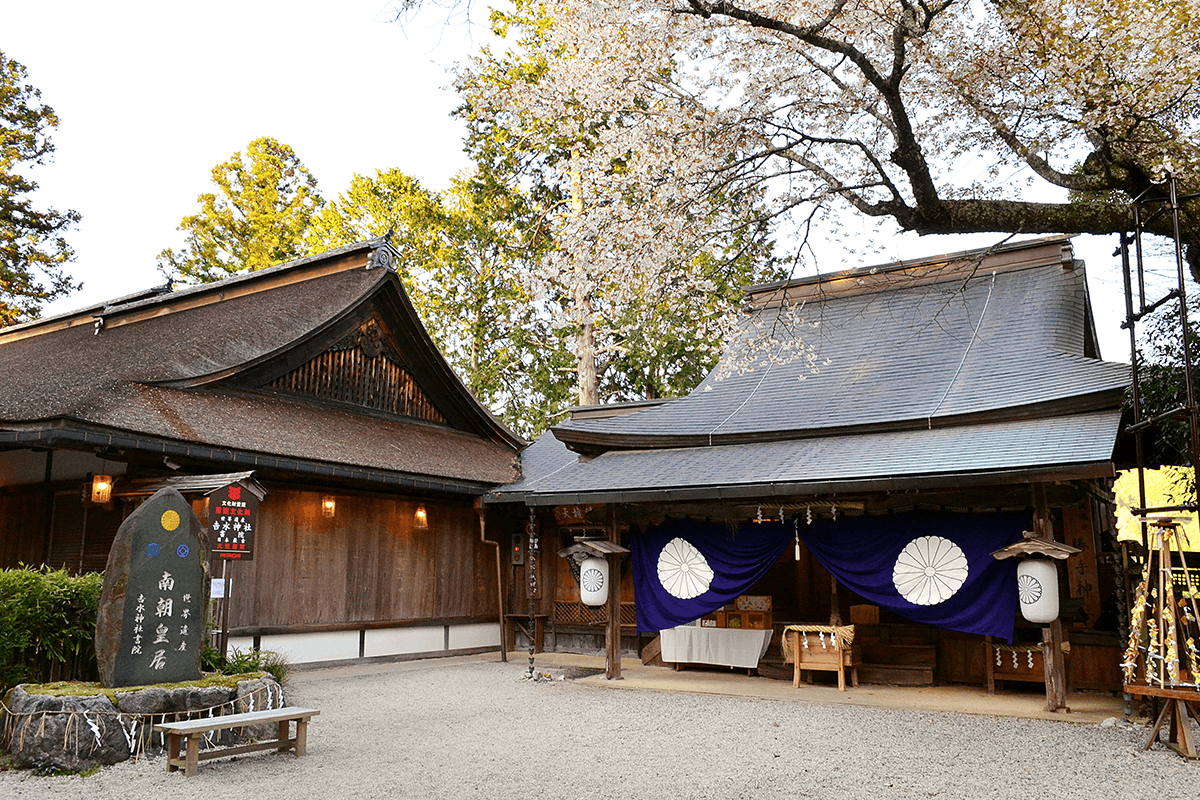
Question: Yoshimizu-jinja Shrine on Mount Yoshino has a very unusual history: during a turbulent period, it once served as Emperor Go-Daigo’s temporary Imperial Palace.After leaving Kyoto and moving to Yoshino, what was the court established there called?
A: The Southern Court
B: The Northern Court
Correct Answer: A: The Southern Court
Explanation: During the Nanboku-cho period, Emperor Go-Daigo left Kyoto and moved to Yoshino, where Yoshimizuin temporarily served as his Imperial Palace. This marked the beginning of the Nanboku-cho period, when two emperors ruled at the same time, and Yoshino became the base of the Southern Court.It is a setting with a deeply prestigious yet poignant history, echoing the courtly drama and historical backdrop of the story.
Introduction: Originally known as Yoshimizuin, this prestigious temple lodging for practitioners of Shugendo was founded more than 1,300 years ago during the reign of Emperor Tenmu. It later became a shrine following the separation of Shinto and Buddhism during the Meiji period. Many historical stories and episodes associated with the site have been passed down through the centuries.

Kinpusenji
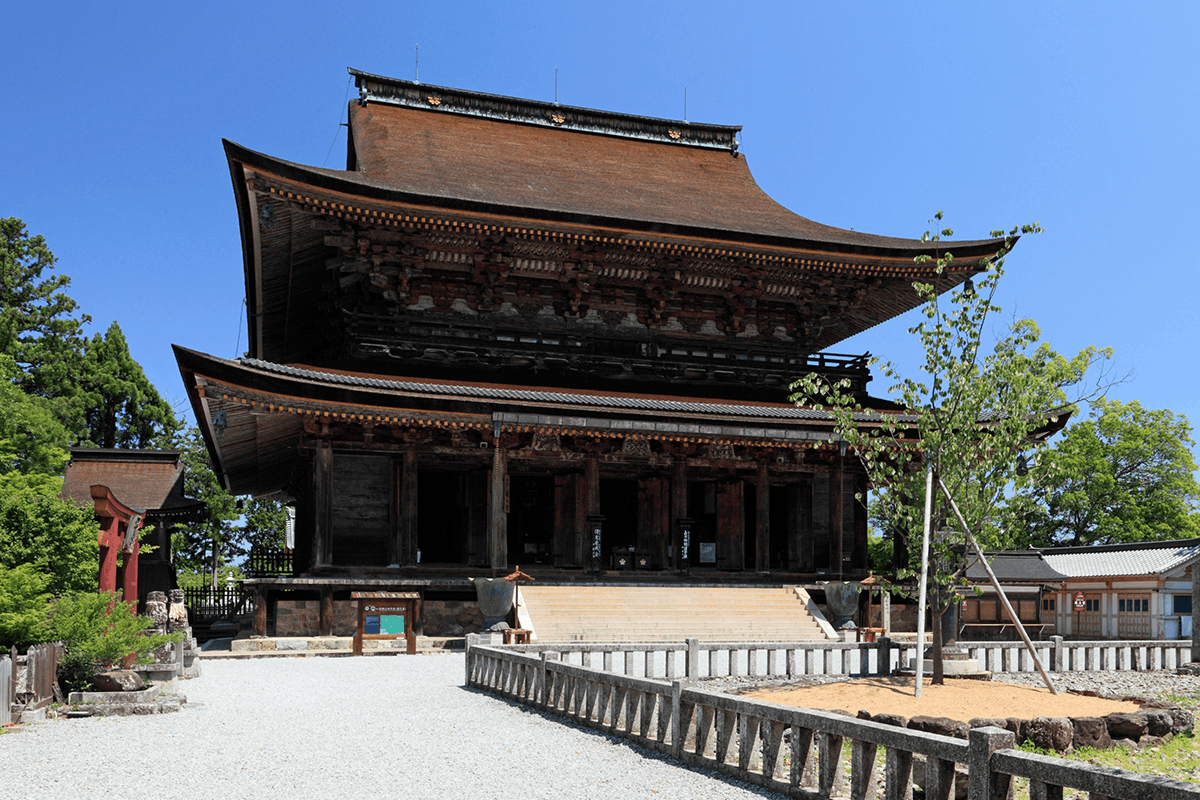
Question: The three hidden principal images of Kinpusenji Temple, the statues of Kongo Zao Gongen, have striking blue bodies unlike any other Buddhist statues.This distinctive blue color is said to represent a particular emotion of the Buddha. Which of the following is it?
A: Compassion
B: Anger
Correct Answer: A: Compassion
Explanation: The blue color of Zao Gongen represents a “heart of compassion.” This vivid blue expresses a powerful determination to mercilessly destroy evil in the world and save those who have lost their way, even if it means using overwhelming force.
Introduction: Zaodo, the main hall of Kinpusenji Temple, is a symbolic structure of Mount Yoshino, a sacred site of Shugendo, and is said to be the second-largest historic wooden structure in Japan after the Great Buddha Hall of Todaiji Temple. It is a structure that could be called the very foundation of Yoshino’s culture and is also a core component of the World Heritage Site.

Oomiwajinja
問題:支給待ち
A:支給待ち
B:支給待ち
正解:支給待ち
支給待ち支給待ち支給待ち支給待ち
【紹介文】
支給待ち

Kitorakofun
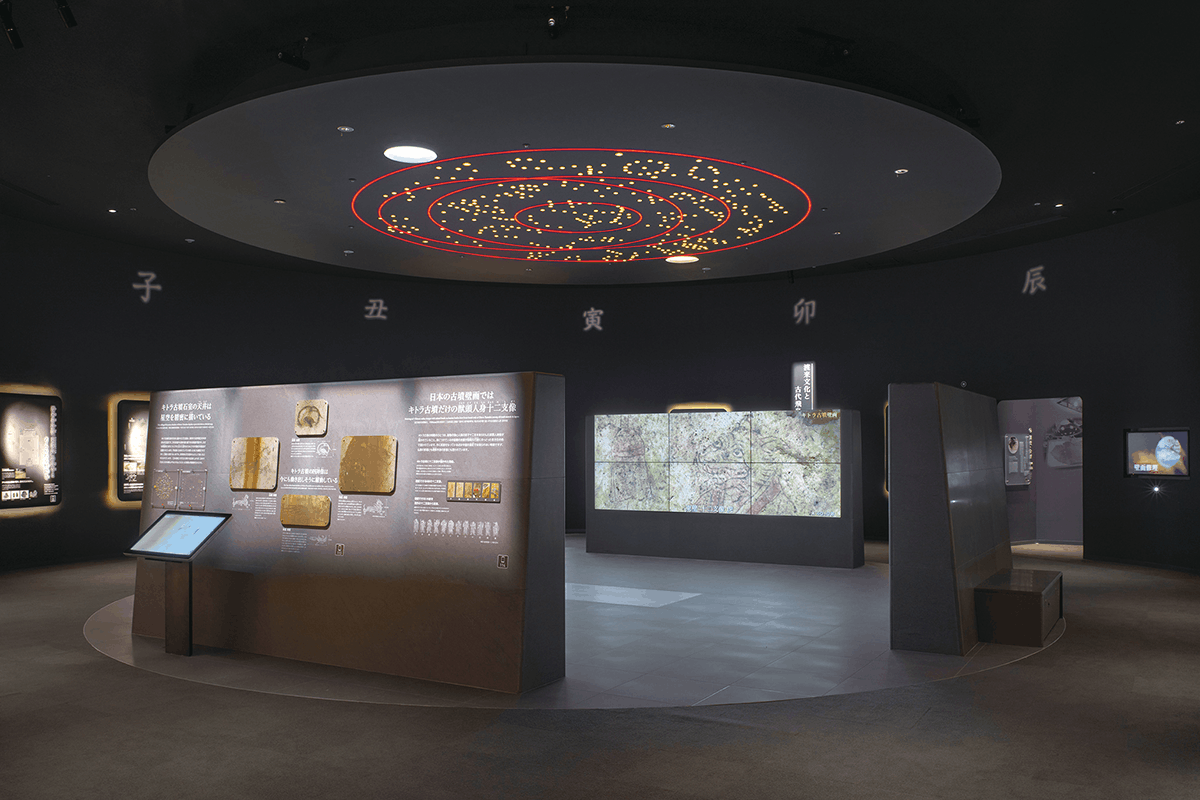
Question: A 1998 survey revealed that something had been painted on the ceiling of the stone chamber inside the Kitora Tumulus. Later analysis showed that it has scientific value as one of the oldest examples of its kind in the world.Which of the following does it depict, demonstrating the advanced knowledge of the time?
A: A precisely constructed astronomical chart
B: An accurate anatomical diagram of the human body
Correct Answer: A: A precisely constructed astronomical chart
Explanation: The ceiling depicts more than 68 constellations represented in gold leaf, along with red circular lines showing the celestial equator and ecliptic, as well as the sun and moon.It is remarkably accurate even by the standards of modern astronomical charts and is considered one of the oldest surviving scientific star charts in the world.
Introduction: This facility allows visitors to deepen their understanding of the Kitora Tumulus and its wall paintings.Exhibits include a full-scale replica of the stone chamber, culture introduced from the Asian continent, and information on the archaeological excavations.

Ofusakannon
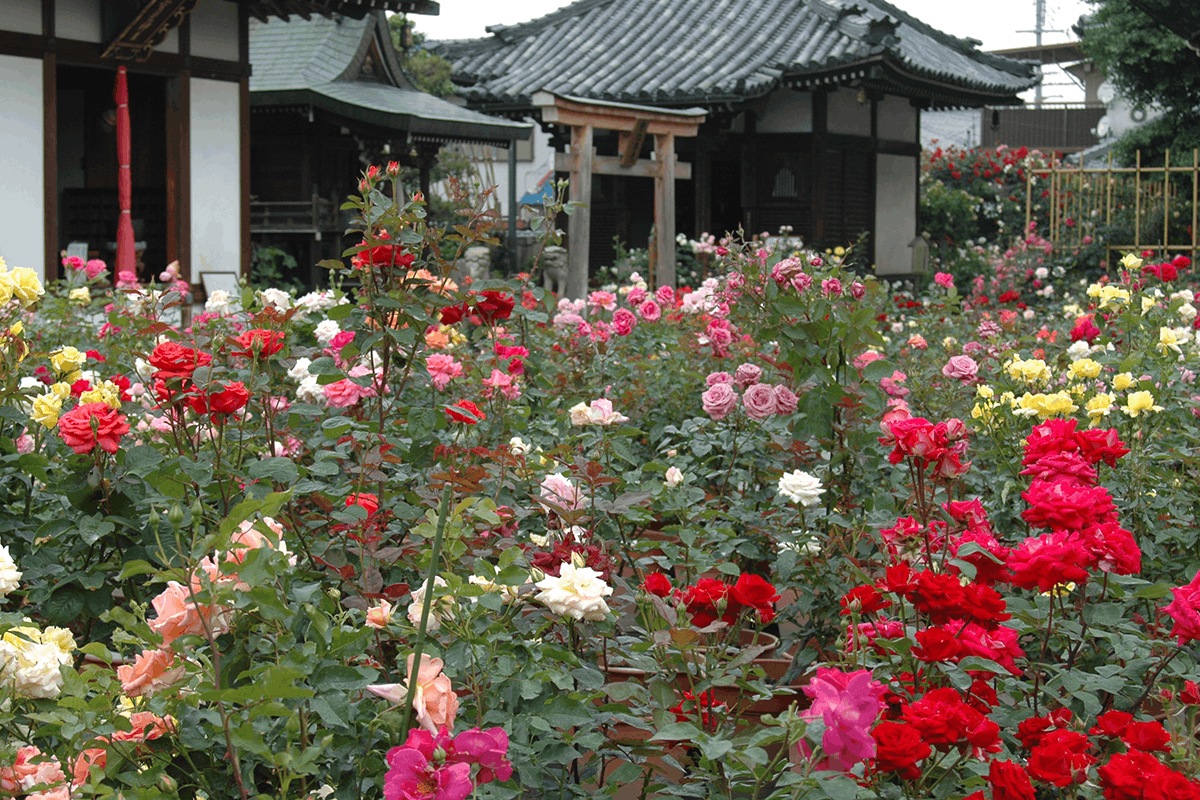
Question: In spring and autumn, Ofusa Kannon Temple becomes filled with beautiful flowers blooming throughout the temple grounds, creating what is known as a “Flower Mandala.”What kind of flower is it?
A: Peonies
B: Roses
Correct Answer: B: Roses
Explanation: Around 4,000 rose bushes are planted throughout the temple grounds. Many varieties, including English roses, fill the air with a rich, sweet fragrance, allowing visitors to stroll through the elegant grounds while experiencing a floral expression of the Buddhist world of the mandala.
Introduction: Ofusa Kannon Temple, formally known as Kannonji Temple, is a distinguished head temple of the Koyasan Shingon school of Buddhism.Rather than being founded by a person of special status, it was built and cared for by ordinary local people, and is known as a temple of popular faith that has long offered comfort to people facing the worries and hardships of everyday life.

Imaimachinamikoryusenta-Hanairaka
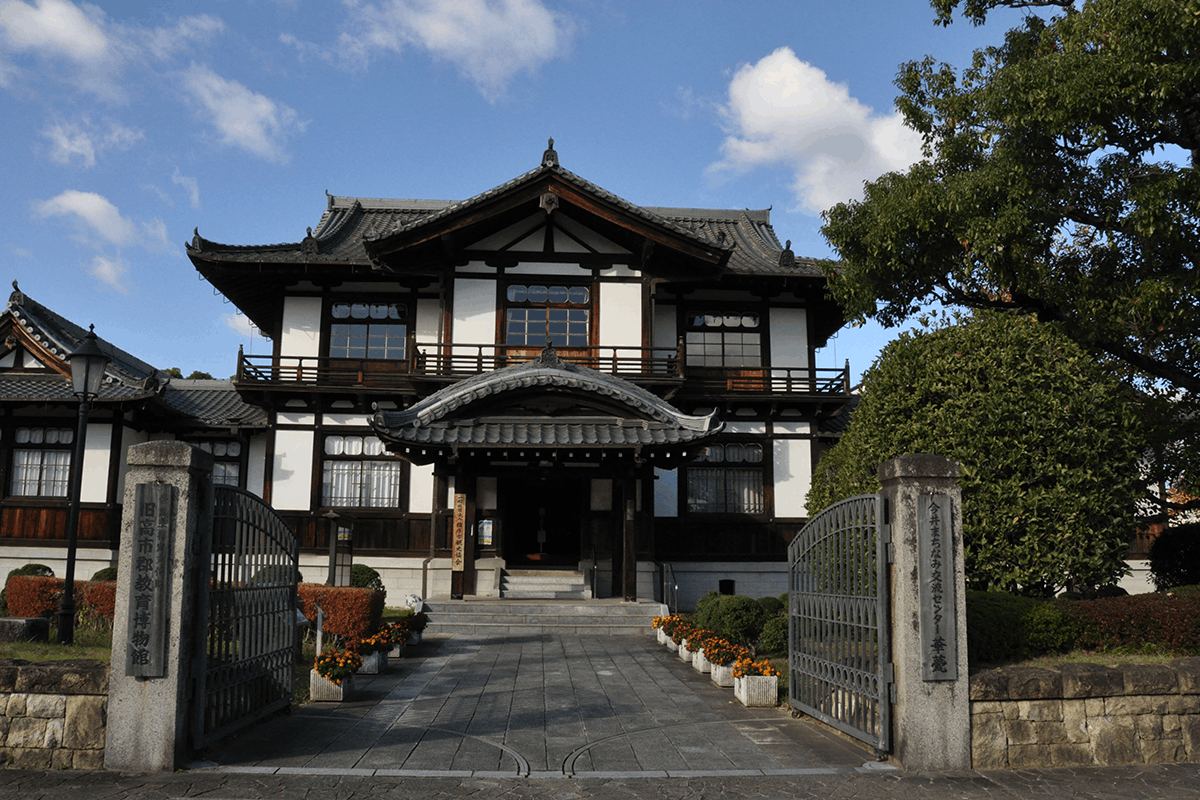
Question: Hanairaka, now used as a historical museum for Imai-cho, is an impressive Western-style building constructed during the Meiji period.In fact, the building was originally constructed for a particular purpose. Which of the following was it?
A: An educational museum established to promote education and industry
B: A guesthouse built to receive distinguished visitors from overseas
Correct Answer: A: An educational museum established to promote education and industry
Explanation: In 1903, the building was constructed as an “educational museum,” something extremely rare at the time, and was later also used as the town hall.Today, it serves as a center of knowledge that preserves and shares the history and written records of Imai-cho with present-day visitors.
Introduction: Built in 1903 as the Takaichi District Educational Museum, the building was also used as Imai Town Hall from 1929. Today, it serves as a museum bringing together a wide range of materials that explain the history of Imai-cho in a clear and accessible way, allowing visitors to learn about the town’s history from a variety of perspectives.
Osaka-Uehommachi
Osaka-Abenobashi

Kyoto

Kintetsu-Nagoya

Kashiharajingu-mae

Yakuonhachimanjinja



Koriyamajo
Yanagisawabunko
Kusurishiryokan

Hasedera

Murouji

Okadera

Abemonjuin

Asukadera

Yoshimizujinja
Kinpusenji

Oomiwajinja

Kitorakofun

Ofusakannon

Imaimachinamikoryusenta
-Hanairaka